
CHARLOTTE, NC – X-Sense highlights the growing need for whole-home protection as fire behavior in modern households becomes increasingly unpredictable.
Emergencies often happen without warning, but many household risks can be reduced through preparation, regular maintenance, and simple safety improvements. A safe home is not only about responding quickly when something goes wrong—it is also about identifying potential dangers before they become serious problems.
From installing reliable safety equipment to creating emergency plans, homeowners can take practical steps to protect their families and property. Building strong safety habits does not require major changes; even small improvements can make a significant difference over time.
Start with a Home Safety Assessment
The first step toward improving home safety is understanding the possible risks within your living space. Walk through each area of your home and look for potential hazards, including blocked exits, damaged electrical equipment, unsafe storage areas, or outdated safety devices.
Bedrooms, kitchens, garages, basements, and utility areas should receive special attention because they often contain equipment or materials that may increase safety risks. A simple inspection every few months can help identify issues before they require urgent attention.
Families should also consider the specific needs of their household members. Homes with children, elderly residents, or individuals with mobility challenges may require additional safety adjustments, such as improved lighting, secured furniture, and easier access to emergency exits.
Install and Maintain Smoke Detection Devices
Fire safety remains one of the most important parts of home preparation. A working smoke alarm provides an early warning that can give families valuable time to react and safely leave the property.
Homeowners should install smoke alarms in key areas, including bedrooms, hallways, and each level of the home. Devices should be tested regularly to ensure they are functioning correctly, and batteries or units should be replaced according to recommended guidelines.
Choosing the right equipment is also important. Modern smoke detectors are available with different features, including long-lasting batteries, wireless connections, voice alerts, and smart notifications. Selecting a suitable option depends on the size of the home, the number of rooms, and the level of monitoring a family prefers.
For larger properties, interconnected alarms can provide additional protection by allowing multiple devices to communicate with each other. When one alarm detects smoke, connected units can alert people in other areas of the home, helping residents respond faster.
Prepare a Clear Emergency Escape Plan
Having safety equipment is only one part of emergency preparation. Families should also know exactly what to do if a dangerous situation occurs.
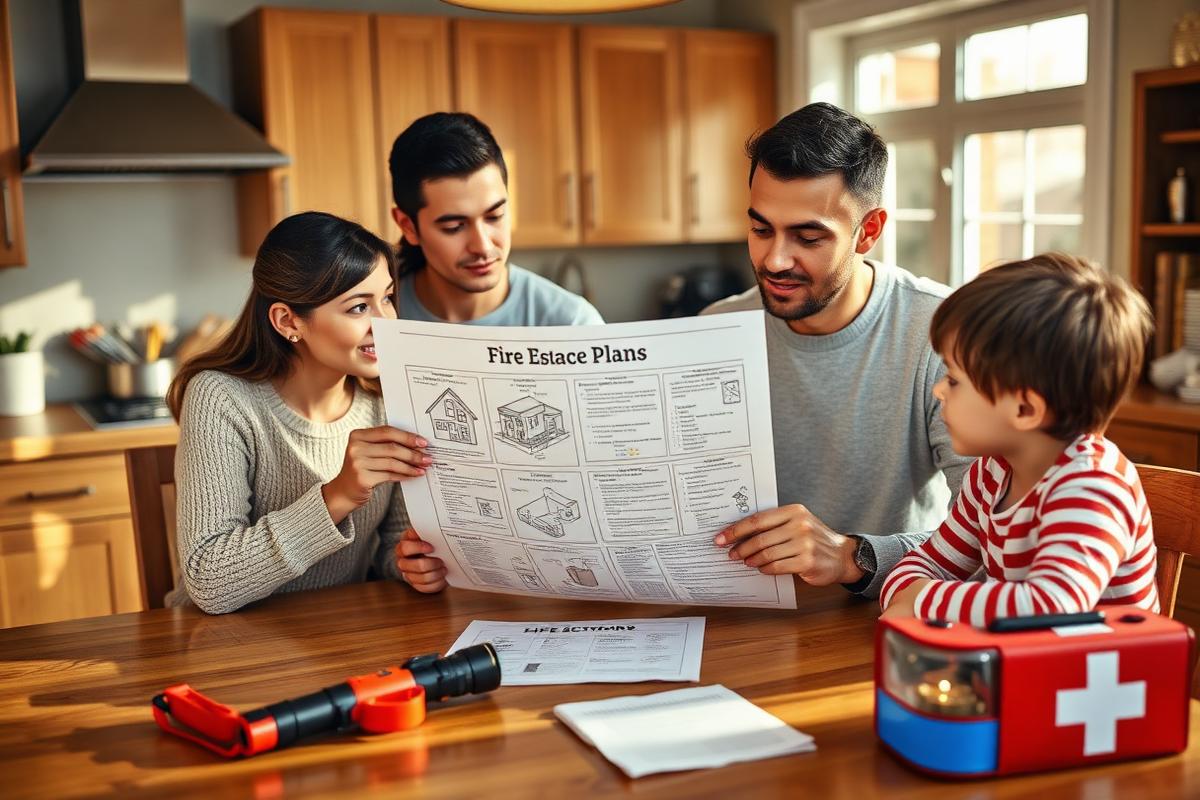
A home escape plan should identify multiple exit routes from important areas, especially bedrooms. Doors and windows used as emergency exits should remain accessible and free from clutter.
Every household should select a meeting point outside the home where family members can gather after evacuation. This makes it easier to confirm that everyone is safe without putting anyone at additional risk.
Practising the escape plan is equally important. Children may not always react calmly during emergencies, so regular practice can help them understand what steps to follow. Families should review their plans whenever there are changes to the household layout or living arrangements.
Reduce Fire Risks Inside the Home
Many household fires begin because of everyday activities. Simple precautions can greatly reduce these risks.
In the kitchen, cooking should never be left unattended, especially when using oil or high heat. Flammable items such as towels, paper products, and packaging should be kept away from cooking areas.
Electrical safety should also remain a priority. Damaged wires, overloaded outlets, and improper use of extension cords can create dangerous situations. Homeowners should inspect electrical equipment regularly and seek professional help when problems are identified.
Heating equipment, fireplaces, candles, and portable heaters should be used carefully. These items should be kept away from curtains, furniture, and other materials that can catch fire easily.
Improve Safety Through Smart Technology
Technology has changed the way homeowners monitor and manage safety. Smart devices can provide additional information and faster alerts, especially when people are away from home.
Wireless interconnected smoke alarms are one example of how technology can improve emergency awareness. Products such as the X-SENSE SD19-W wireless interconnected smoke alarm are designed to connect multiple alarms, helping provide broader coverage throughout a property. Features such as long battery life, self-testing functions, and wireless communication can make regular maintenance easier for homeowners.
While smart safety solutions can provide useful support, they work best when combined with responsible household habits, regular testing, and a clear emergency response plan.
Keep Emergency Supplies Ready
A prepared home should include essential emergency supplies. A basic emergency kit may include flashlights, batteries, first-aid materials, bottled water, important documents, and necessary medications.
Families should store these items in an easily accessible location and check supplies regularly to ensure everything remains usable. Emergency contact numbers should also be saved and clearly available to all household members.
In areas where weather conditions may create additional challenges, families should prepare for situations such as power outages, storms, or temporary disruptions to essential services.
Teach Safety Awareness to Everyone at Home
Home safety is most effective when everyone participates. Children should learn basic safety rules, such as not playing with electrical outlets, understanding alarm sounds, and knowing how to contact emergency services.
Adults should also stay informed about equipment maintenance, emergency procedures, and household risks. Safety discussions do not need to be complicated; regular reminders can help create a stronger safety culture within the home.
Make Prevention Part of Everyday Life
The best time to improve home safety is before an emergency happens. Regular inspections, reliable safety equipment, emergency planning, and responsible daily habits can help families feel more prepared and confident.
No home can completely eliminate every possible risk, but preparation can reduce the impact of unexpected situations. By taking small steps today, homeowners can create a safer environment and better protect the people who matter most.
A safer home begins with awareness, planning, and action—long before an emergency occurs.


