
Originally Posted On: https://ikippahs.com/blogs/jewish-style/why-denim-yarmulke-orders-are-climbing-among-teens-this-fall
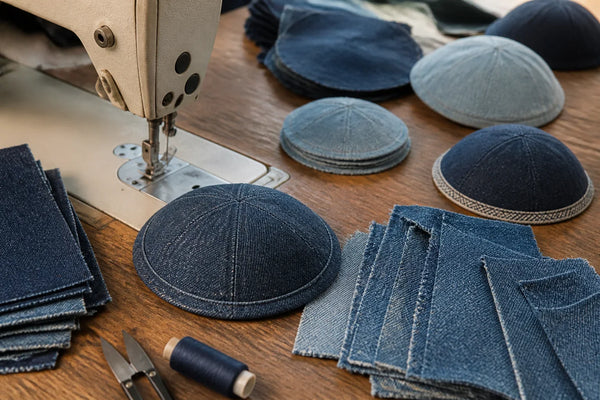
Key Takeaways
-
Denim yarmulke styles are outselling plain velvet this fall because teens want something that looks like their denim jacket, not their grandfather's shul kippah.
-
Compare denim against suede, leather, and velvet before you buy — each material handles wind, clips, and daily wear differently, and denim holds up best for kids who wear a kippah from morning to night.
-
Get the sizing right first. A denim yarmulke that's too small pops off with a bobby pin every ten minutes, and a teenager won't wear something that keeps sliding off in front of friends.
-
Pair a denim kippah with a contrast rim or stitched edge for a look that reads more streetwear than strictly formal — great for school days and casual weekend plans.
-
Denim holds up to machine washing far better than suede or leather, so it's the practical pick for a kid who's rough on his stuff (read: every kid).
-
Shop a real range of denim yarmulke options — light wash, dark wash, raw denim with contrast stitching — so your teen picks one he'll actually want to wear, not one you picked for him.
Ask a 15-year-old why he swapped his black velvet kippah for a denim one, and he'll shrug and say it just goes with everything. That's the whole story this fall, really. Denim yarmulke orders are climbing fast among teens, and it's not some fluke — it's a real shift in how younger guys think about everyday religious wear.
For years, velvet was the default. Safe, traditional, a little boring if we're honest. But teens today want their kippah to feel like part of their outfit, not an add-on tacked on for shul. Denim does that. It pairs with sneakers, hoodies, jean jackets — the stuff they're already wearing every day. And it holds up. No crushed velvet nap, no weird shine after a few months.
Parents notice the difference too, especially when a kid actually wants to wear his kippah instead of stuffing it in a backpack. That's worth paying attention to.
What's Driving the Denim Yarmulke Trend This Season
Picture a 14-year-old getting dressed for the first day of school, standing in front of his closet with a denim jacket, sneakers, and a plain black velvet kippah that just doesn't match anything he owns. That mismatch is exactly why Denim Yarmulke orders have picked up this fall. Parents tell us their kids want head coverings that feel like part of an outfit, not something bolted on top of it.
Casual Style Meets Everyday Observance
Denim just fits the rhythm of daily life better than dressier fabrics. It's sturdy, it hides wear, and it pairs with almost anything in a teen's closet — hoodies, flannels, even a blazer for a bar mitzvah rehearsal. Kids wearing a yarmulke every single day need something that survives gym class, backpack straps, and a little rain, and denim handles all three without looking beat up.
Why Teens Are Ditching Plain Velvet for Denim
Velvet still has its place for shul and formal occasions, but teens increasingly see it as their dad's style, not theirs. Denim reads younger, more relaxed, closer to streetwear than tradition-only wear. It's a small shift, but it's real, and it's showing up in order data every week.
Denim Yarmulke vs. Velvet, Suede, and Leather Kippahs
Denim wins on comfort, plain and simple. Velvet still owns the sanctuary look — that dense, formal finish reads dressy the second you put it on. Suede sits in between, soft but a little precious for daily beating around a backpack. Leather feels sturdy but can get warm and stiff in humid weather. A denim yarmulke, by contrast, moves like a favorite pair of jeans — broken in, breathable, and forgiving when it gets tossed in a bag between classes.
Material Breakdown: Durability, Weight, and Feel
Denim holds up to daily wear better than most people expect.
It's woven tight enough to resist fraying, light enough not to slide around, and it actually gets better with age (fading a bit like a jacket does). Velvet needs gentler handling and tends to crush under pressure. Suede stains if it gets wet. Leather scratches. For a kid who's got the same head covering on from 7 am carpool to evening practice, denim just holds its shape without babying.
Picking the Right Fit for School, Shul, or Weekend Wear
For school and weekend errands, denim is the obvious call — it pairs with almost anything and doesn't scream "special occasion." A Personalized Denim Yarmulke with a name or initials stitched on adds a personal touch teens actually want. But for shul on Shabbat, a bar mitzvah, or a wedding, switch to a Formal Yarmulke instead — that's what the occasion calls for.
How to Size and Style a Denim Kippah for a Teenager
How do you even measure a teenager's head for a kippah when he's changed hat sizes twice since spring? Start with a soft tape measure around the widest part of the skull, just above the ears — most brands break sizing into small, medium, and large, similar to how a cap or beanie fits. A denim yarmulke should sit snug enough to clip without pinching, and slightly looser than you'd expect for a felt or velvet style, since denim has less stretch.
Styling matters just as much as fit. Teens today want their kippah to feel like an extension of their outfit — think of it the way they'd pick a vest or a jacket. Pair a dark wash denim kippah with a plain tee for school, or a lighter wash for weekend wear. Some families go a step further and order a custom Denim Yarmulke with stitched initials or a school color, which tends to get more compliments at synagogue than anything off the rack.
If your teen wants something dressier for a bar mitzvah season event, a Suiting Yarmulke pairs well with denim's casual cousin looks — reads more formal. Either way, clips (not pins) work best for thicker denim fabric.
Caring for a Denim Yarmulke So It Lasts All Fall
Here's a stat that surprised even us: kids' headwear made from cotton-blend fabrics loses roughly 20% of its shape after just ten unsupervised machine washes. Denim holds up way better — but only if you treat it right. A denim yarmulke isn't delicate like velvet, but it's not indestructible either. Toss it in a hot dryer, and you'll shrink the clip placement, which means it stops sitting right on your kid's head.
The fix is simple. Wash cold, air dry flat, and skip the fabric softener — it breaks down stitching over time. If your child's Personalized Denim kippah has embroidery or a name stitched on, turn it inside out before washing so the thread doesn't fray against the drum.
Got a kid who's rough on everything he owns? Rotate two or three styles through the week instead of relying on one. A Cotton Yarmulke works as a lighter backup for gym days or hot afternoons, while denim stays reserved for regular school wear.
Realistically, denim's biggest advantage is that it doesn't show wear the way felt does. No fading halo, no crushed nap — just a fabric that gets a little softer and more lived-in with each wash. That's exactly why it's become the fall favorite parents don't have to babysit.
Where iKIPPAHS Fits Into the Denim Yarmulke Shift
Here's a claim worth pushing back on: denim yarmulkes are just a passing trend that'll fade once the season changes. That's not what the order data suggests. Teens have been asking for denim options for a couple of years now, and this fall it's turned into a real pattern, not a blip. Kids want something that feels like their jeans, their jacket, their whole outfit — not a piece that looks bolted on.
iKIPPAHS built out its denim line specifically because parents kept asking for casual, everyday pieces that didn't scream "formal wear." The material holds up to backpacks, gym bags, and whatever else a 14-year-old drags through a school day. Stitching options in red, navy, and light denim washes give teens a way to personalize without going overboard.
And it's not just solid denim getting the attention. Kids who want a little more personality tend to gravitate toward the Tie Dye Yarmulke, which pairs that same durable denim base with a pattern that reads more streetwear than synagogue supply closet.
The honest answer is this: denim works because it's already part of how teens dress every single day. A kippah made from the same fabric as their jeans just feels less like a rule and more like a choice.
Frequently Asked Questions
What does wearing a yarmulke signify?
It's a sign of respect — a physical reminder that there's something bigger above you than your own head. Kids wear one to show they're part of a tradition that goes back generations, and for a lot of families, letting a kid pick a denim yarmulke instead of plain black velvet is how you make that tradition feel like theirs instead of a chore.
What are the different types of kippahs?
You've got knit ones, suede, leather, velvet, cotton, linen, and yes, denim. Beyond material, there are flat styles, dome-shaped ones, and 6-panel construction, plus rimmed versions where a contrast fabric edges the brim. Denim tends to fall into the casual, everyday-wear category — it's the one your kid can actually run around in without babying it.
How does a kippah stay on your head?
Bobby pins or a small hair clip, honestly — that's the real answer, not some fancy mechanism. Some kids use a clip sewn right into the fabric. Denim actually holds a clip better than slick velvet because the weave has more grip, which is one reason parents like it for active kids.
How to wear a yamaka?
Center it on the crown of the head, not pushed back like a hat. Secure it with a clip or pin so it doesn't slide during recess or gym class. That's it — there's no complicated etiquette here, just consistency so your kid isn't fixing it every five minutes.
Is a denim yarmulke appropriate for synagogue?
For everyday services and school, sure — it's casual but respectful. For a wedding or a formal bar mitzvah where everyone's dressed up, you'll probably want to reach for velvet or suede instead. Save the denim for the day-to-day.
How do you clean a denim yarmulke?
Hand wash or a gentle machine cycle in cold water — denim actually holds up better to washing than suede or leather ever will. Air dry it flat so it keeps its shape. This is honestly one of the biggest perks of denim: it's forgiving.
What sizes do kids' kippahs come in?
Most brands offer small, medium, and large based roughly on head circumference and age, though sizing isn't perfectly standardized across sellers. If you're between sizes, size up — a kippah that's slightly loose stays on better with a clip than one that's too tight and pops off.
Can adults wear a denim yarmulke too?
Sure. Plenty of dads match their kid's denim kippah for a casual look, especially for everyday minyan or a relaxed family event. It's not just a kids' style — it's just more popular with kids because it's durable and fun.
Why do some families choose patterned or casual kippahs over traditional velvet?
Because kids actually want to wear them. A plain black velvet kippah can feel like an obligation, but a denim one with contrast stitching feels like part of an outfit. That's the whole idea behind mixing fashion into religious wear — it keeps kids engaged instead of resistant.
Denim isn't a fad your teenager will outgrow by winter break. It's a practical answer to a real problem — how do you get a 15-year-old to actually keep his head covered without a daily argument? Give him something sturdy that survives a backpack, holds its shape after a wash, and doesn't scream "dress code" the second he walks into school. That's the whole appeal of a denim yarmulke: it looks like what he already wears, so wearing it stops feeling like a compromise.
Fit still matters more than fabric, though. A denim kippah that's too shallow slides off during gym class; one sized right stays put through a full day without a single bobby pin. Rotate two or three between shul, school, and weekend hangouts, and rinse them occasionally so the color and stitching hold up through fall.
iKIPPAHS carries denim options built for exactly this kind of daily wear, in colors and stitch details teens actually pick for themselves. Browse the collection, grab a couple of sizes to compare, and let him choose his own.


